
Can the structure of galvanized steel strands be adjusted?
The structure of galvanized steel strands can be adjusted in various ways to meet the needs of different engineering scenarios. The following explains in detail from three aspects: feasibility of structural adjustment, methods of adjustment, and practical applications:
1. Feasibility of Structural Adjustment
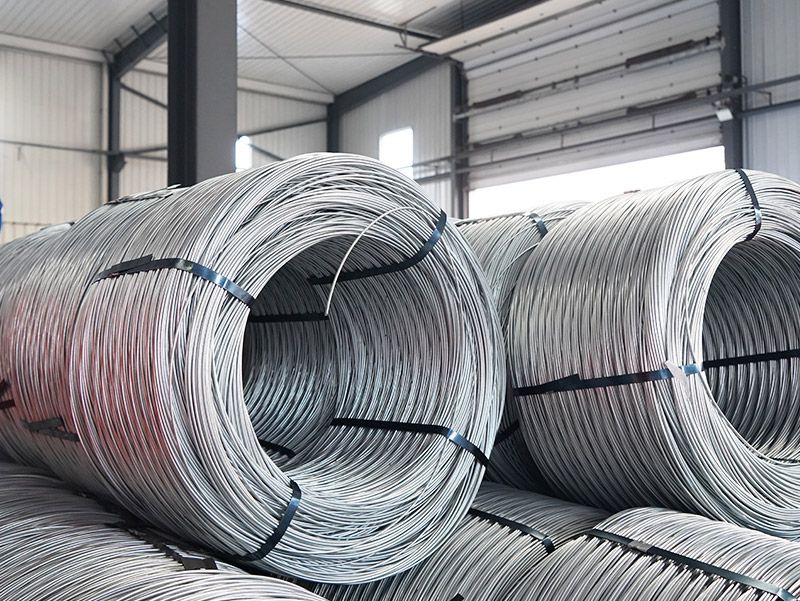
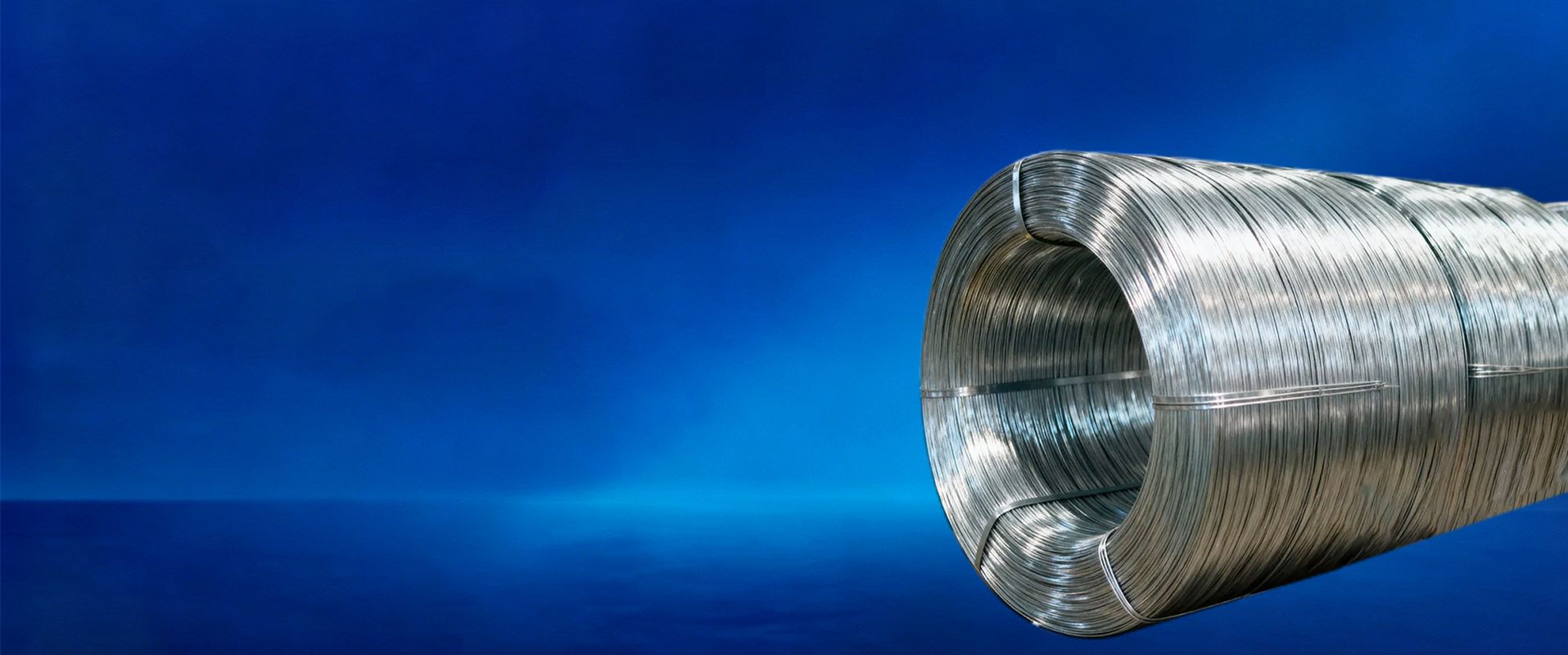
Galvanized steel strands are made by twisting multiple steel wires together. Structural adjustments mainly involve parameters such as the number of wires, wire diameter, lay length, and lay direction. By adjusting these parameters, you can change the mechanical properties of the steel strand (like tensile strength, elastic modulus), corrosion resistance, and suitable applications. For example, increasing the number of wires can improve load-bearing capacity, while adjusting the lay length can optimize flexibility and reduce slack.
2. Specific Methods of Structural Adjustment
Wire Number and Diameter
Different spec combinations of wires can be selected based on requirements. For example, a 1×7 structure (7 wires) is suitable for general load-bearing scenarios, whereas a 1×19 structure (19 wires) is more flexible and commonly used in dynamic load environments, such as prestressed bridge tendons.
Lay Length Optimization
Lay length refers to the axial distance for a steel wire to complete one full turn around the strand center. By shortening the lay length (usually no more than 14 times the strand diameter), the inter-wire grip is enhanced, slack is reduced (e.g., low-relaxation strands have a slack ≤2.5/100), and long-term stability is improved.
Lay Direction Adjustment
Strands can be twisted in left lay (S) or right lay (Z). The outer wire layers usually have the opposite lay to adjacent inner layers (e.g., inner layer S-lay, outer layer Z-lay) to enhance tightness. In special cases, adjusting lay direction can improve fatigue resistance.
Special Structural Innovations
For instance, a hollow central tube design can be used, where wires are twisted around a central tube, forming a hollow structure that reduces weight and increases corrosion resistance. Or, structural reinforcement can be achieved using anchor sleeves and compression sleeves, making such strands suitable for high-load demands.
3. Practical Cases of Structural Adjustment
Anchoring Projects: Prefer 1×19 steel strands due to their high flexibility, which adapts to small deformations of anchor rods. Reducing lay length helps lower slack, ensuring long-term anchoring stability.
Nuclear Power Scenarios: The strand surface is coated with epoxy to enhance chemical corrosion resistance, while wire diameter and lay length are adjusted to meet a 30-year service life requirement.
Smart Zinc-Control Technology: By accurately controlling the thickness of the galvanizing layer (fluctuation ≤5μm) and combining with structural optimization, strand lifespan can be increased by 50–100%, reducing operation and maintenance costs.