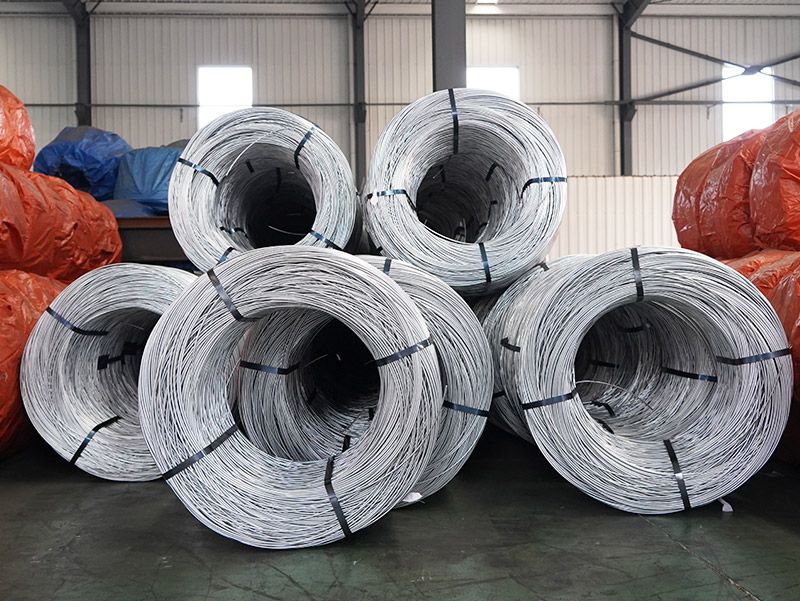

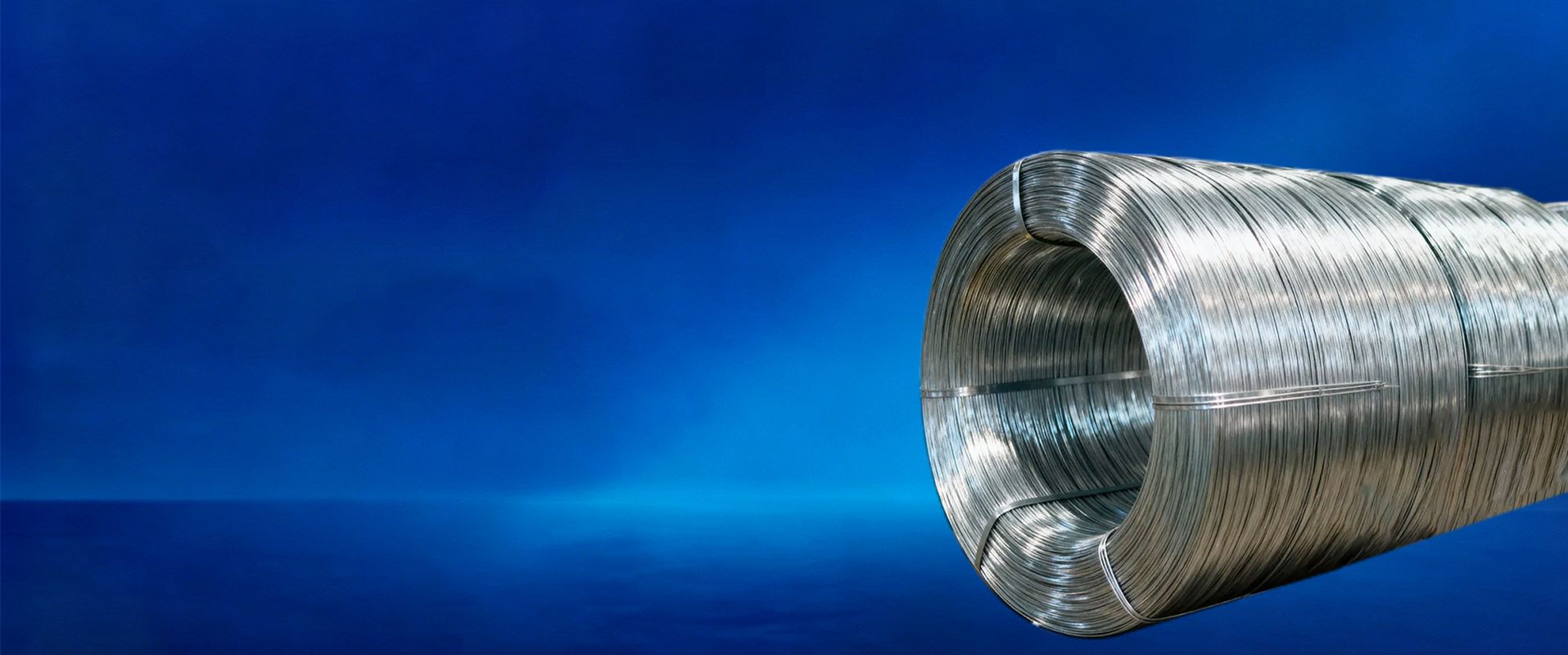
Does the galvanized layer fully cover the steel strands?
The protective coverage of the galvanized layer on steel strands can ideally achieve full coverage, thanks to the characteristics of the galvanizing process and its tight bonding with the steel strand substrate. Here's a detailed explanation of the protective scope of the galvanized layer on steel strands:
The galvanized layer is applied to the steel surface through electrochemical reactions or hot-dip galvanizing, forming a dense protective layer. This layer can isolate the steel from direct contact with oxygen, water, and other corrosive substances in the environment, thereby slowing down or preventing corrosion-related failure of the steel.
Secondly, hot-dip galvanizing, as a metal anti-corrosion process, is characterized by the metallurgical bonding between the galvanized layer and the steel substrate. This bonding creates a firm and continuous coating on the steel surface. Whether it’s in depressions, inside pipes, or other areas difficult for coatings to reach, the galvanized layer can cover evenly.
Moreover, the galvanized layer has good impact resistance, wear resistance, and toughness. Even if some parts of the galvanized layer are damaged due to mechanical impact or other reasons, exposing the steel substrate, the surrounding zinc layer will act as a 'sacrificial anode,' corroding first to protect the steel substrate from corrosion.
However, it’s important to note that the protective effect of the galvanized layer is not absolute. In certain environments, such as highly corrosive or heavy-load conditions, the galvanized layer may be seriously compromised, leading to loss of protection. Additionally, factors like the thickness and adhesion of the galvanized layer can also affect its protective performance.